



Dios te salve, Santa María
llena eres de gracia
Yemayá es contigo.
Bendita tú eres
entre todos navíos
y bendito es el fruto
de vientre de Colón.
Santa María,
Madre del Mar,
ruega por nosotros
indios remisos,
ahora y en la hora
del genocidio, amén.
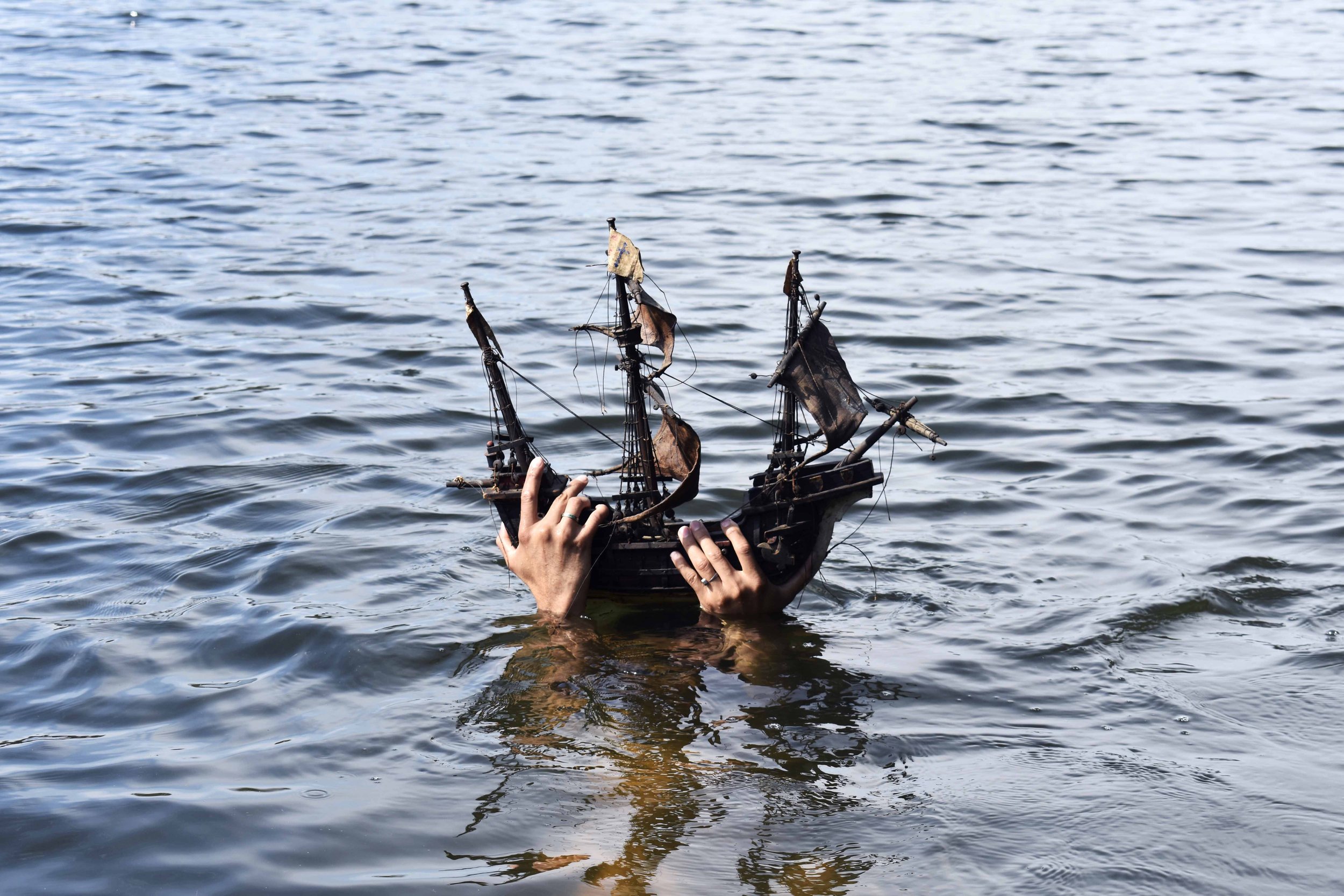
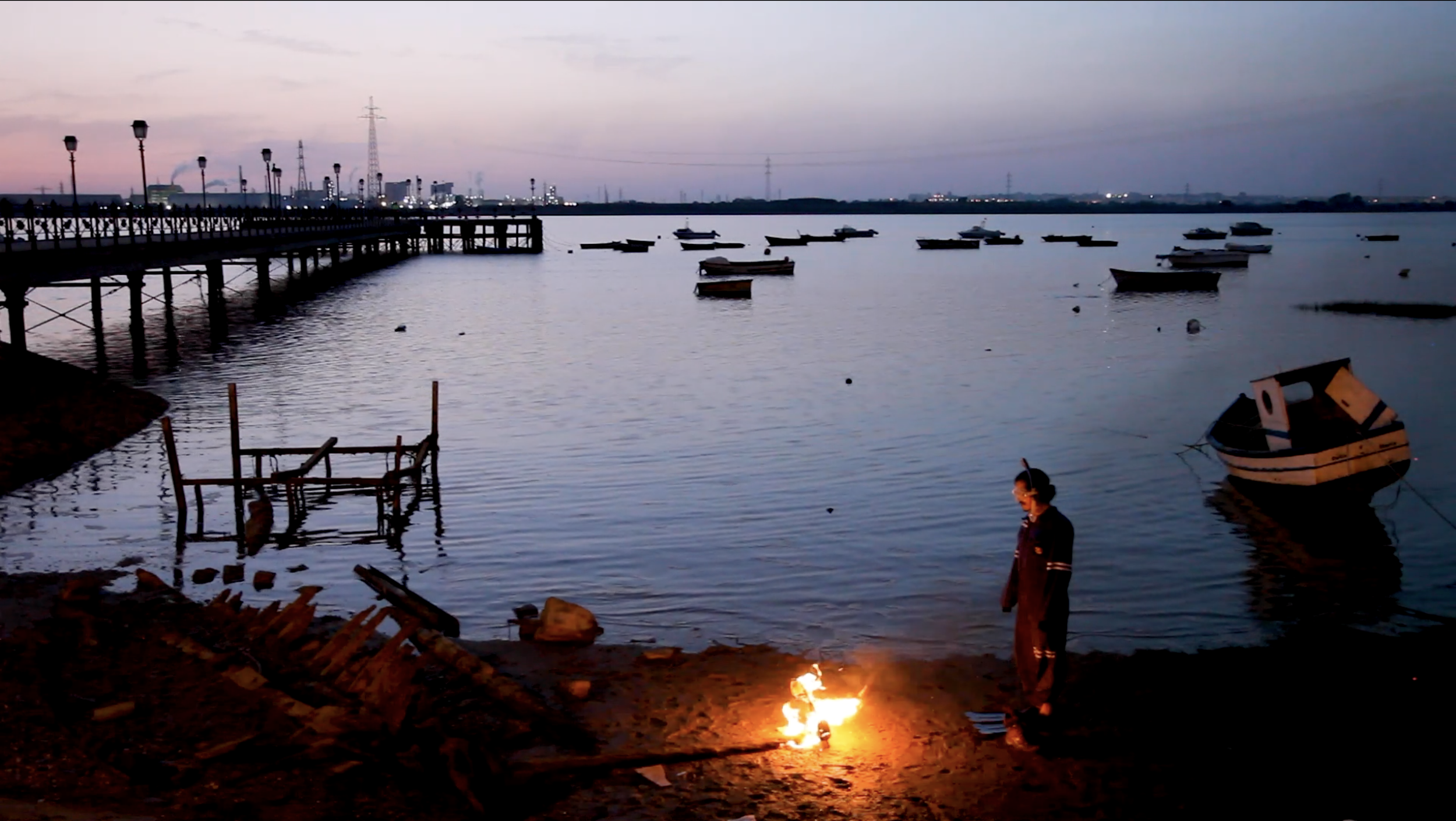
In 2015 I began a series of research projects and performances centered around Christopher Columbus as a symbol of European imperialism and white supremacy, and the lasting impact of his “discovery” of the Americas.
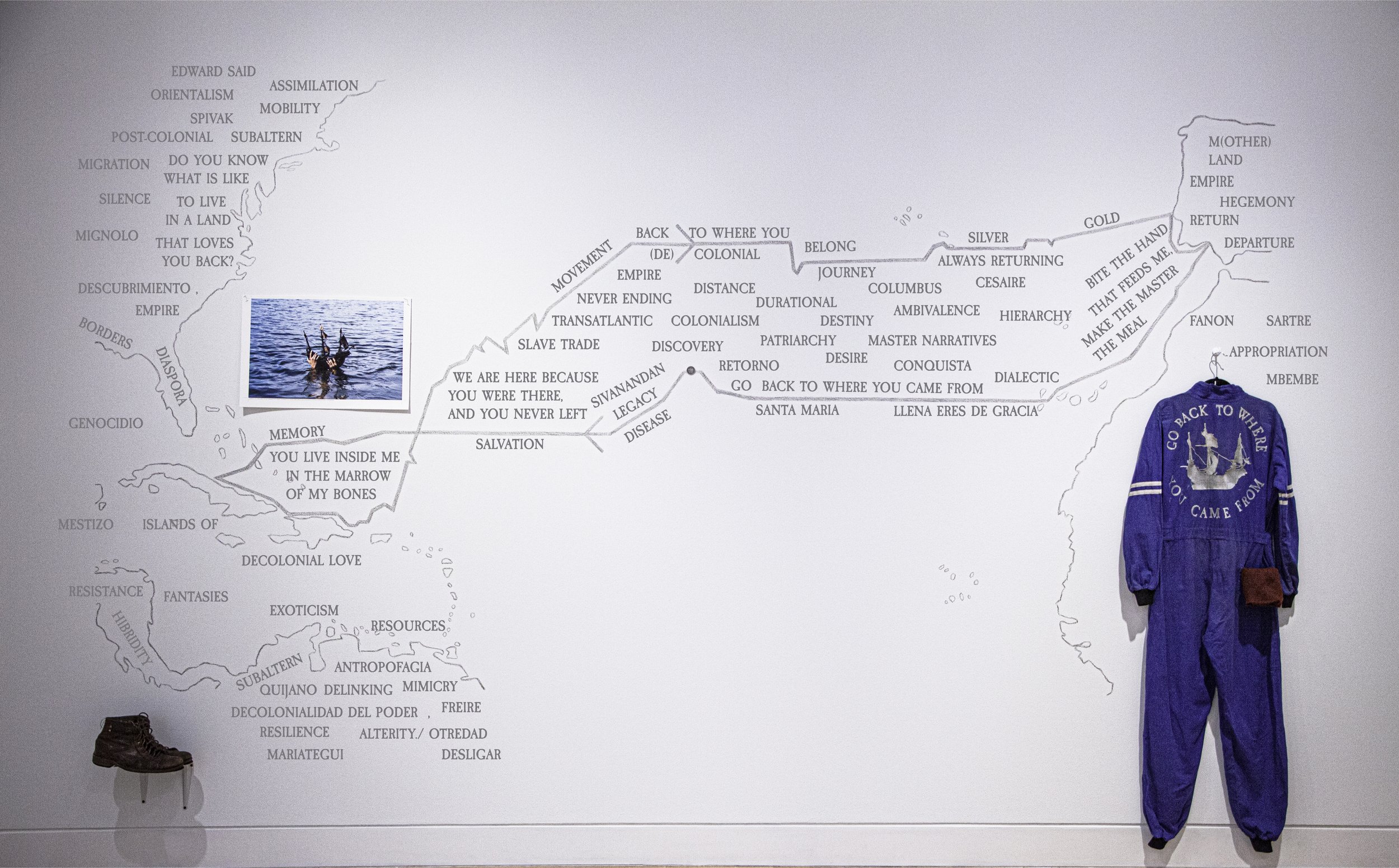
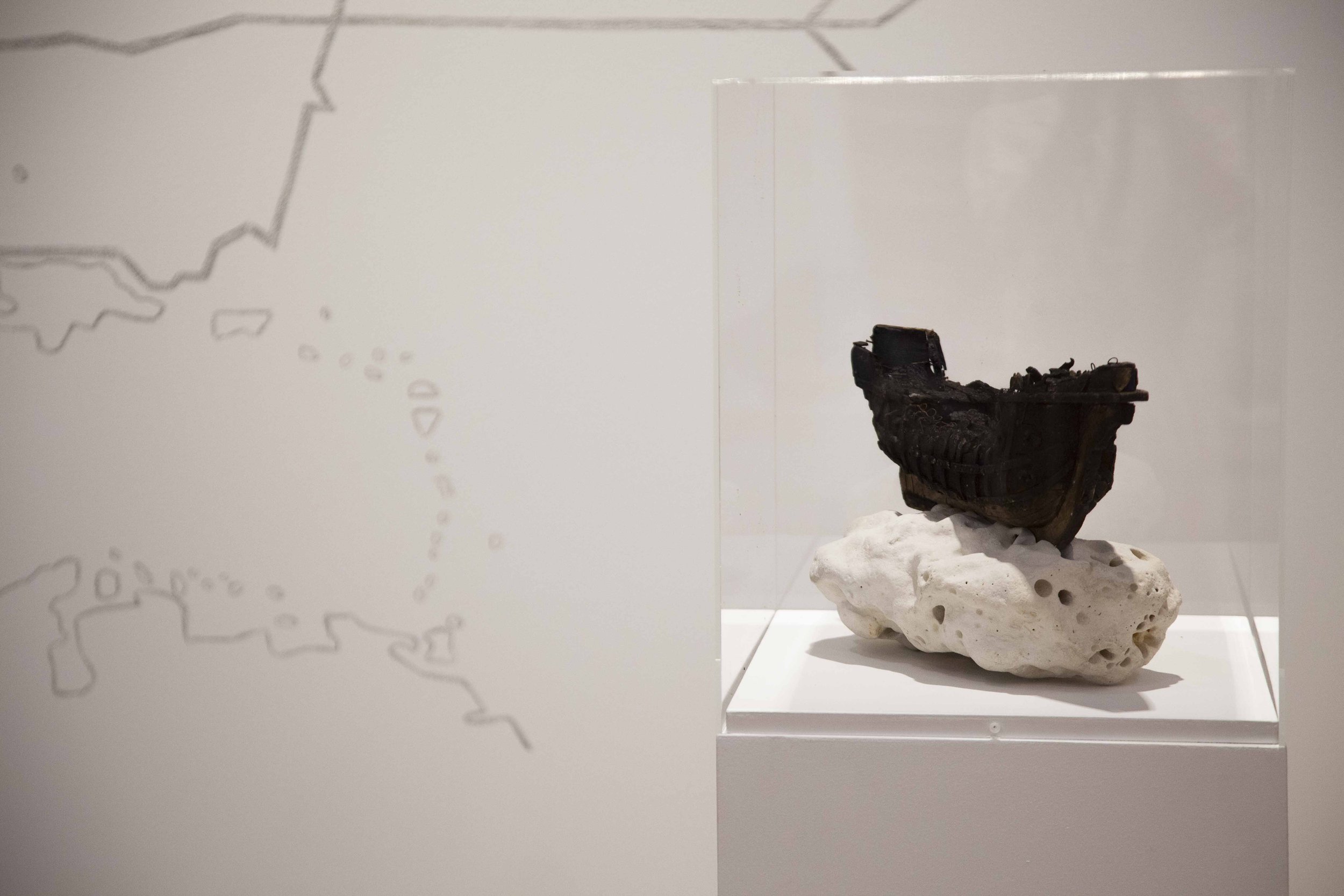
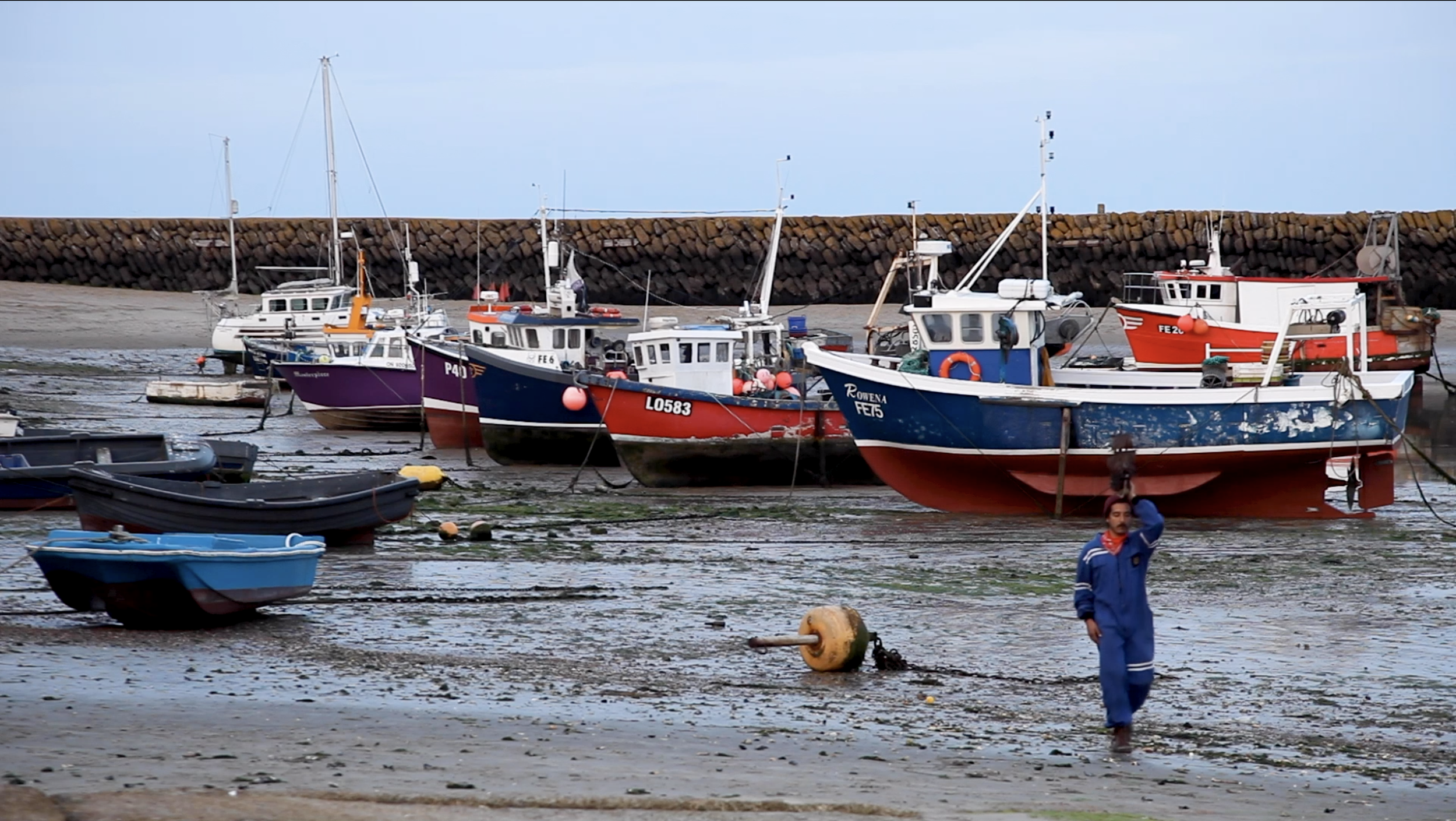
For GO BACK TO WHERE YOU CAME FROM (Santa Maria) , I traveled to the United Kingdom, the Netherlands, Portugal, France and Spain with the replica of the boat La Santa Maria. Wearing a jumpsuit with embroidered letters spelling the titular phrase, I navigated public spaces while carrying the boat for 2 months and 9 days. The performance concludes with the return of Columbus’s boat to the Atlantic Ocean in the exact location where Columbus departed in 1492, suggesting the closing of a circle and completion of a journey.
Rebecca Schneider wrote about this piece for the catalogue of the recent exhibition Tracing a Wound through my body:
“Go back to where you came from” doesn’t care for fact. Rather, the slur aims to slice through skin, to bring hot blood to the capillaried tracks of racial trauma and bolster the fabulist entitlement of whites. The ocean, after all, cuts its own kind of scar between the continents. Riddled by the wakes that conquest cut again and again in the Atlantic, the ocean itself may be said to hemorrhage, as Anzaldúa might write, una herida abierta. The ships that brought conquistadors and settlers and slavers and enslaved were the same ships that carried “back” enslaved Indigenous peoples to the Caribbean and sometimes Europe along with other “new world” cargo for trade and profit.”
Exhibited: Depaul Art Museum, Museum of the Contemporary Art Chicago, North Carolina Museum of Art, Usdan Gallery (Bennington College), Grossman Gallery (Lafayette College).