All Water Has a Perfect Memory, is a project in collaboration with the Tachi Yokuts Tribe, in the Santa Rosa, Rancheria and Fresno City College in California.
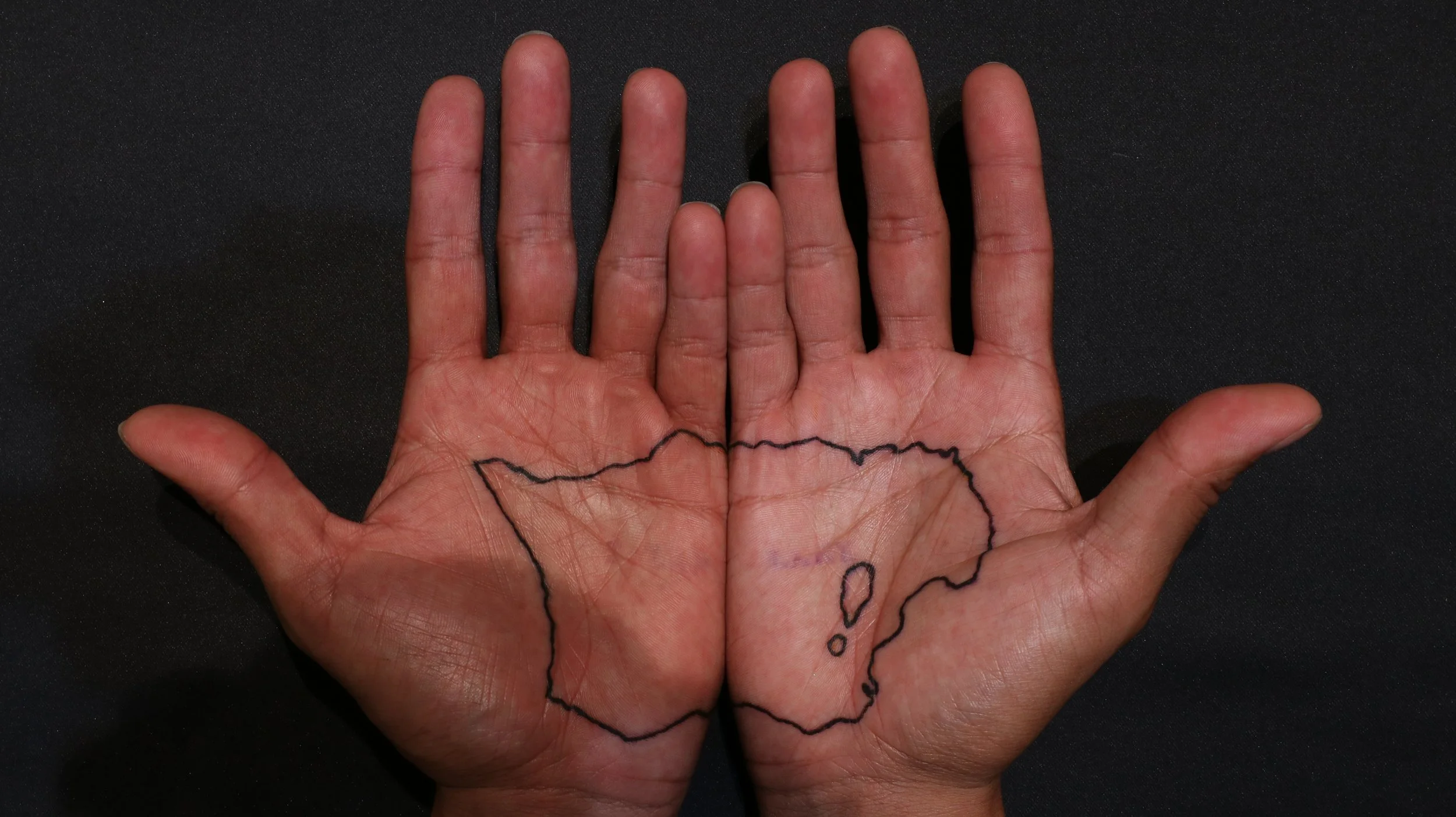
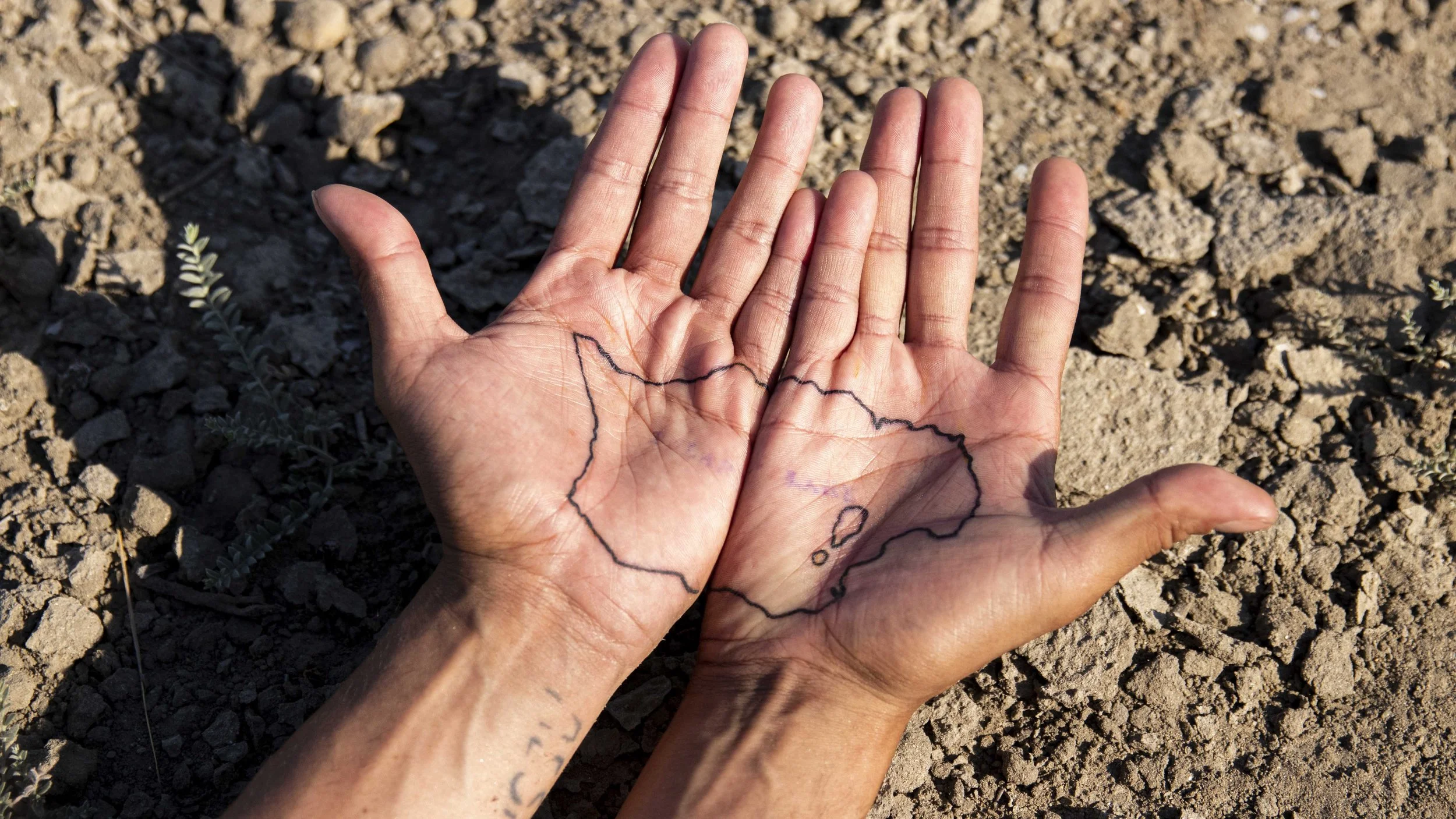
The piece began with a tattoo of the outline of the Tulare Lake lake, once the third-largest body of water in the United States, it was drained between 1850 and the 1920s. The Indigenous communities who lived around it were largely displaced and consolidated under the name Tachi Yokuts, the indians of the San Joaquin Valley.
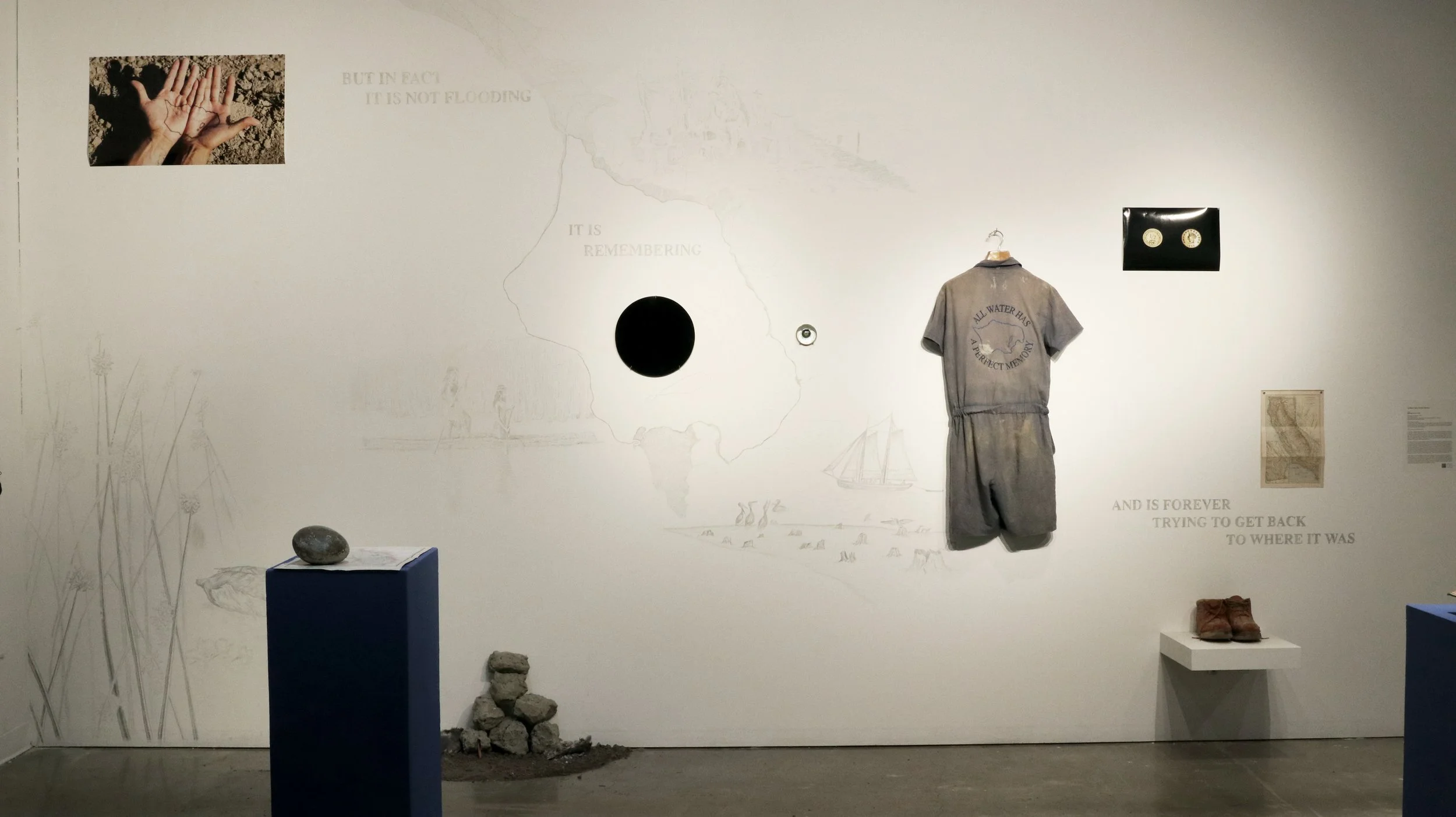
In 2023, following the lake’s temporary return due to flooding, the Tachi Yokuts community commissioned this work, in collaboration with curator Elena Harvey Collins, and Arts Space Gallery of Fresno City College. After receiving the tattoo in my palms on the site where the lake once stood, from tribal member and tattoo artist Marcos Ochoa, I walked the lake’s original 100-mile circumference backwards over ten days holding an obsidian mirror, stopping in moments where I found water in the form of canals, ponds, streams, to hold the water momentarily in the cup of my hands, metaphorically refilling the lake once again.
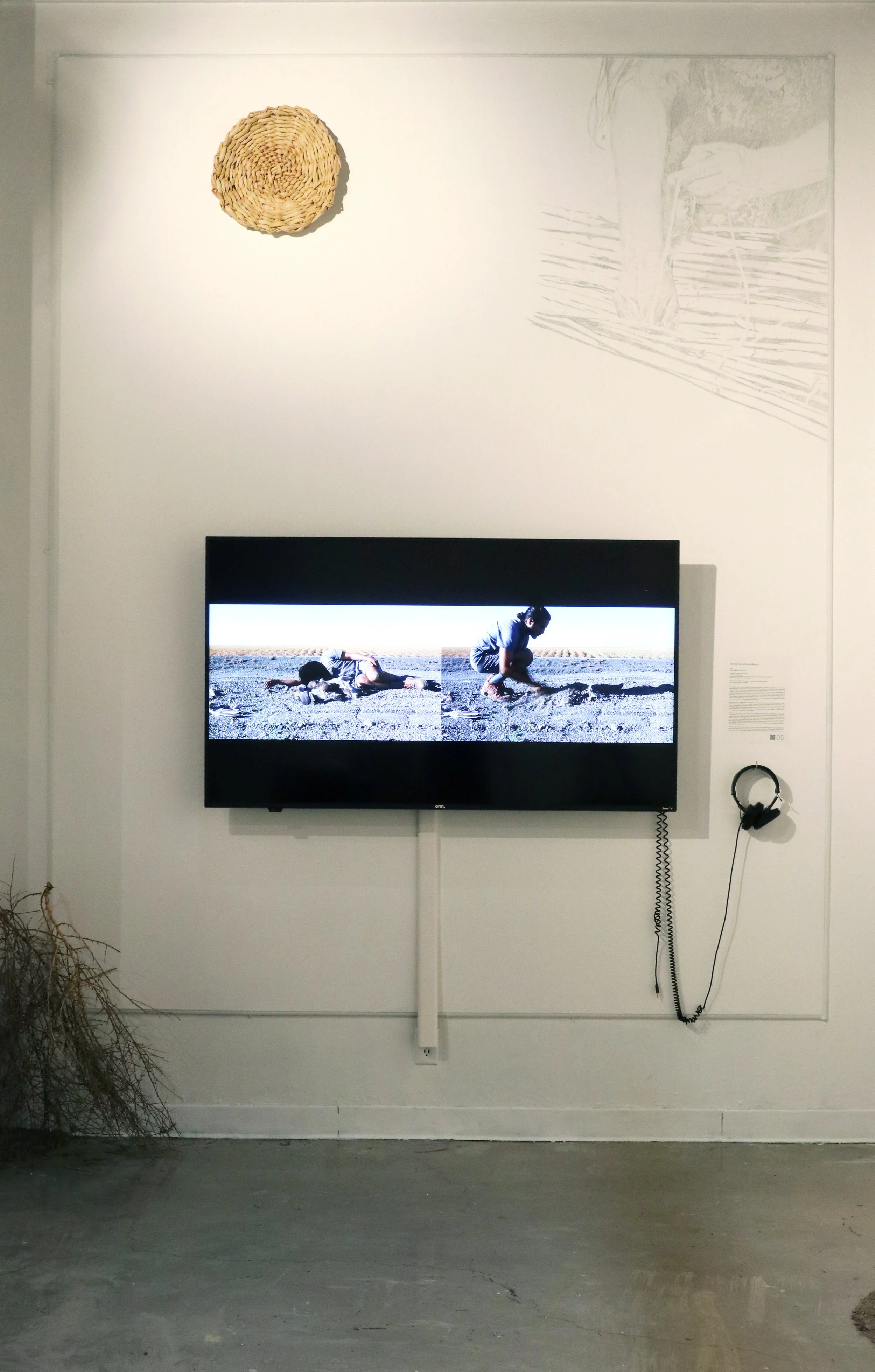
Tattoos on the palms of the hands are inherently temporary. Due to rapid skin regeneration, high exfoliation, constant friction, and the thickness of the skin, the body gradually expels the ink. The palms regenerate up to ten times faster than other parts of the body, mirroring the historical disappearance of the lake itself. In this way, I carry the lake with me across shifting terrains, in the 2 channel video tribal members share their oral histories and deep connection to water and the Tulare Lake.
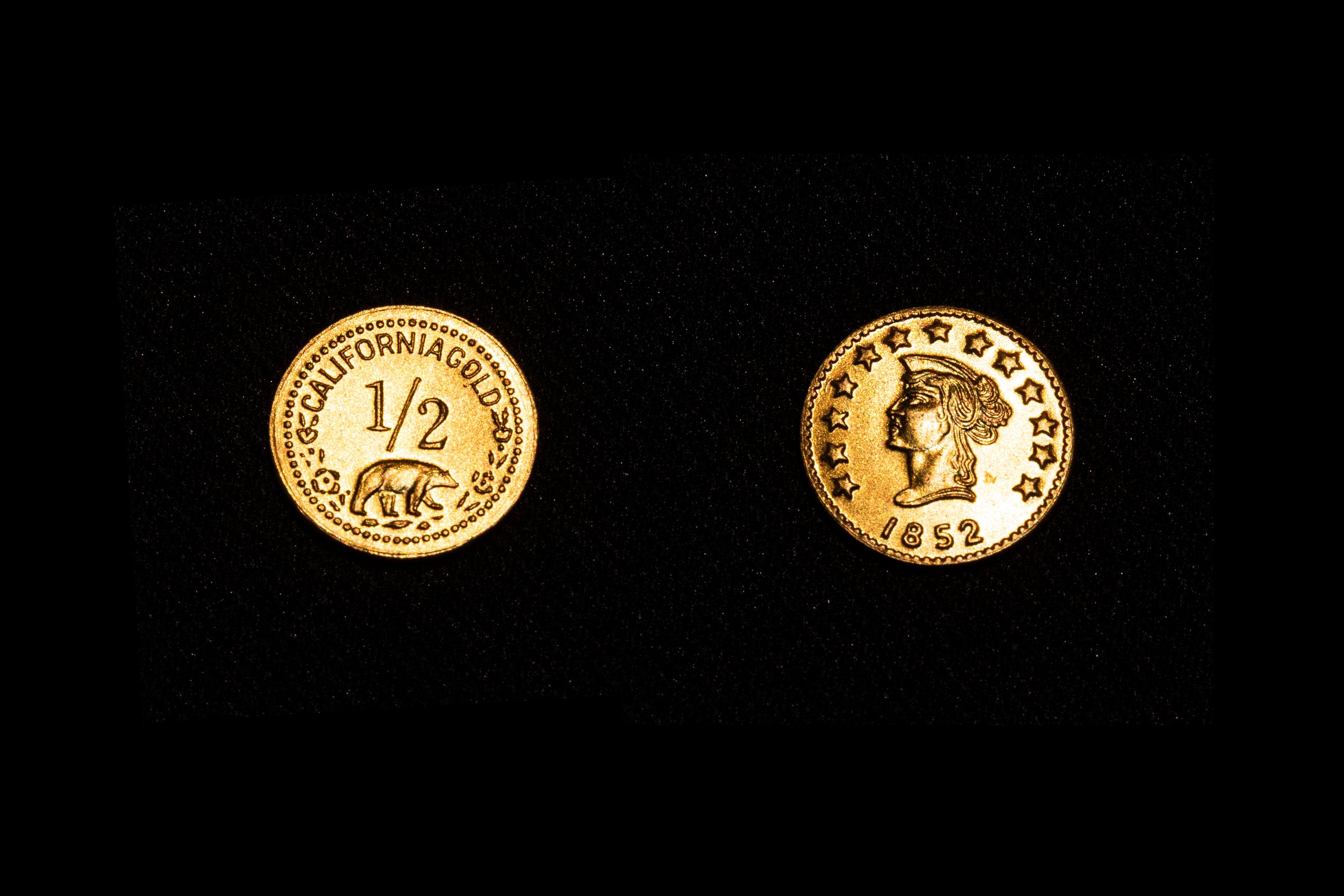
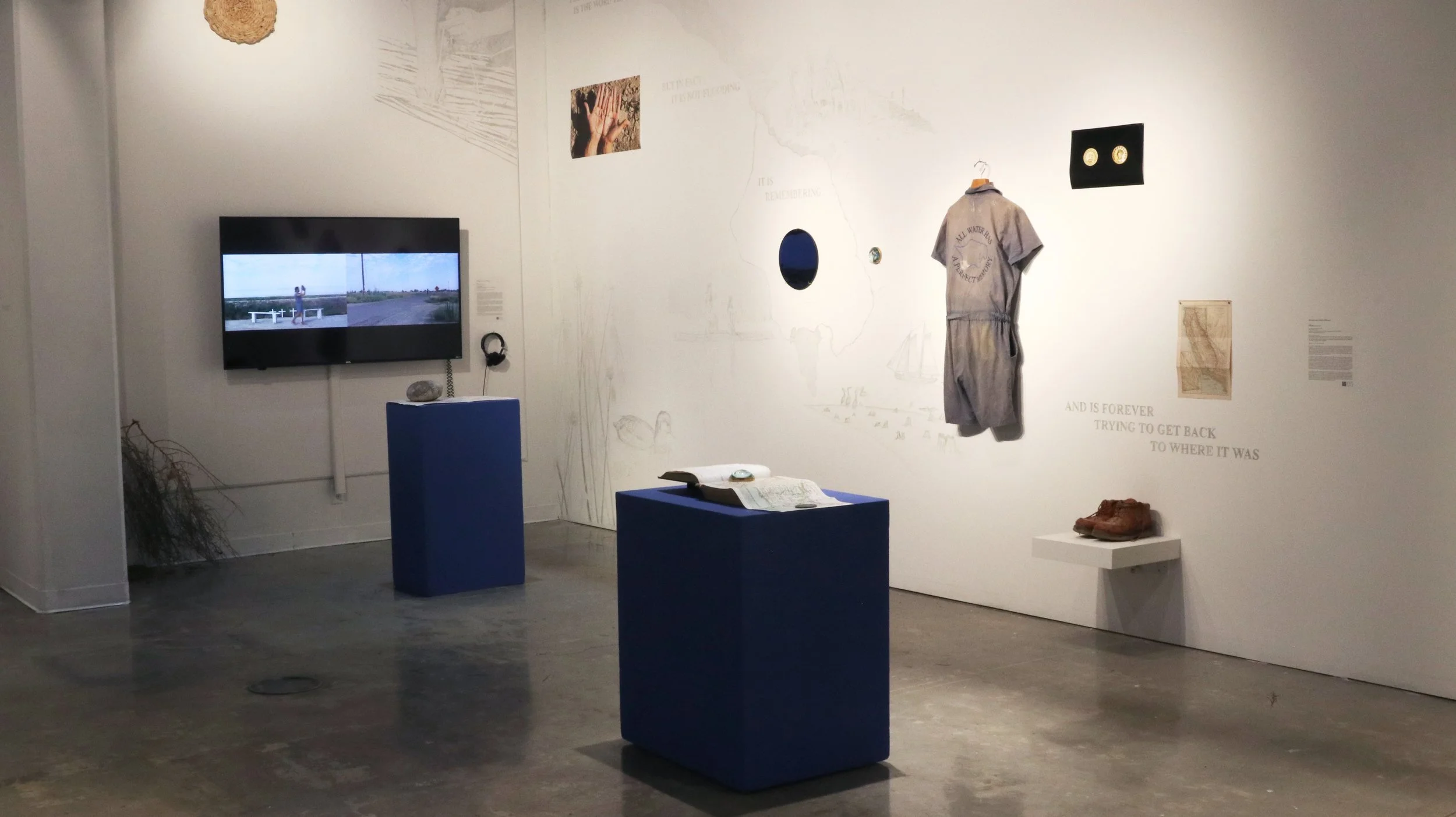
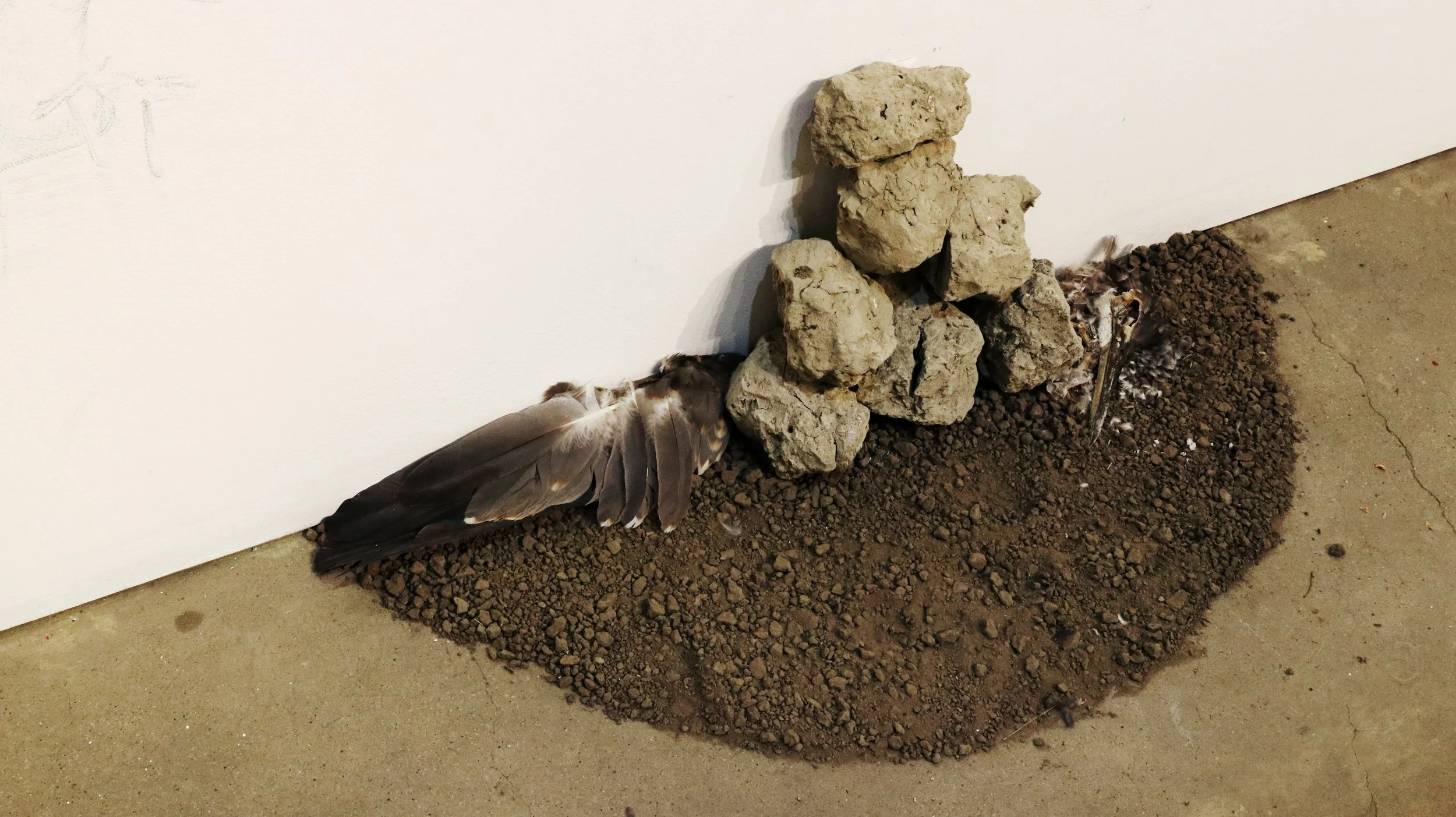
The installation at Art Space Gallery in Fresno City College for the exhibition deep maps curated by Elena Harvery Collins, featured: a large scale drawing made by grinding an original gold token from the gold rush from 1852 into the wall, historical maps from the late 1800s to the 1930s (clearly depicting the chronological disappearance of the Tulare Lake) , found objects during the walk, the suit and ephemera of the performance, a tule woven plate made by Cristina Gonzales (Coastal Band Chumash) , and the remains of a great blue heron.